

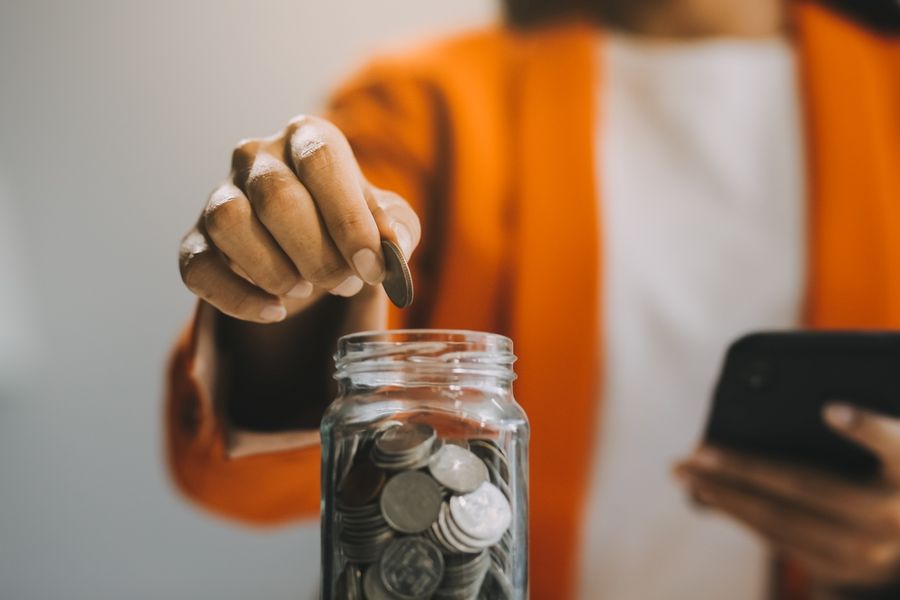
Managing money often feels like a balancing act between responsibilities, expenses, and future goals. When income arrives, attention naturally shifts to bills and immediate obligations first. Paying yourself first changes that pattern by prioritizing savings right away. The habit supports consistency, builds long-term financial stability, and reinforces intentional planning. By saving before spending, financial goals become part of everyday money management rather than something dependent on leftover funds.
What Paying Yourself First Really Means
Paying yourself first means setting aside money for savings before spending on other expenses. Instead of saving whatever remains at the end of the month, savings are treated as a priority. This approach reframes saving as a regular obligation rather than an optional activity.
The concept applies regardless of income level. Even small contributions reinforce the habit and create momentum. By prioritizing savings early, financial goals become part of routine money management. This mindset shift lays the groundwork for long-term stability.
Why This Approach Is So Effective
Paying yourself first removes the uncertainty that often comes with trying to save whatever remains at the end of the month. When savings are set aside automatically, money intended for future goals is protected from day-to-day spending decisions . Automation reduces temptation and helps prevent savings from being unintentionally used for short-term wants. This structure supports consistency and minimizes decision fatigue.
The approach also promotes financial discipline without creating a sense of restriction. Savings grow steadily in the background, allowing progress to continue without constant effort. Seeing balances increase over time builds confidence and reinforces positive behavior. By making saving predictable and routine, paying yourself first turns good intentions into lasting financial habits.
How Paying Yourself First Supports Long-Term Goals
Consistent saving plays a critical role in reaching long-term financial goals. Emergency funds, retirement savings, and future plans all benefit from regular contributions that happen automatically. Paying yourself first ensures progress continues even during busy or financially demanding periods, when saving might otherwise be overlooked. Prioritizing savings early creates forward momentum and keeps long-term objectives active.
Over time, steady contributions can grow into meaningful results through consistency and compounding. Financial goals feel more attainable when progress happens without constant effort or decision-making. Regular saving reduces stress and provides a sense of control over future outcomes. Long-term planning becomes more reliable when savings are built into the financial routine rather than treated as an afterthought.
Making Paying Yourself First a Habit
Turning paying yourself first into a habit starts with choosing realistic savings amounts. Small, manageable contributions help ensure consistency without creating financial strain. Starting modestly allows the habit to form without disrupting essential expenses. As income grows or spending patterns change, savings amounts can be adjusted gradually to reflect new circumstances.
Automating transfers plays a key role in building consistency . When savings move automatically from income into designated accounts, the process becomes dependable and less prone to interruption. Treating savings like a non-negotiable expense reinforces priority and commitment. Over time, saving becomes routine rather than effortful, making long-term progress easier to sustain.
Common Challenges and How to Overcome Them
One common challenge involves feeling unable to save due to tight budgets. In these situations, focusing on very small amounts helps establish momentum without adding pressure. Another challenge arises from irregular income, which may require flexible contribution strategies rather than fixed amounts. Recognizing personal constraints allows for realistic adjustments instead of abandoning the habit.
Adjusting savings during difficult periods does not undo progress. The key is maintaining the habit, even when contribution amounts fluctuate. Flexibility supports sustainability and prevents discouragement. Overcoming challenges strengthens confidence and reinforces commitment, making paying yourself first a habit that adapts rather than disappears during financial stress.
Building Financial Confidence Through Consistent Saving
Paying yourself first builds more than financial reserves; it builds confidence. Knowing that financial priorities are being addressed consistently reduces anxiety and uncertainty. That sense of preparedness supports clearer decision-making across all areas of personal finance. Confidence grows as savings progress becomes visible and dependable.
Over time, consistent saving creates stability and resilience. Financial goals feel more achievable when progress happens automatically and predictably. Prioritizing personal savings turns long-term security into an active process rather than a distant aspiration. Paying yourself first transforms intention into action and supports lasting financial well-being.