

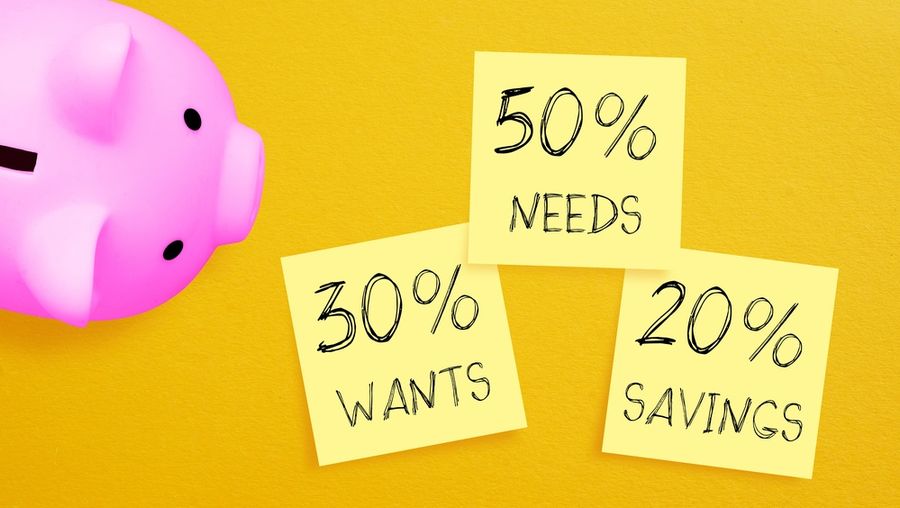
Managing money can feel complicated when expenses compete for limited income. The 50/30/20 rule offers a straightforward framework that brings structure to everyday financial decisions. By dividing income into clear categories, the approach helps balance responsibilities, lifestyle choices, and future goals. Its simplicity makes the method appealing, particularly for people who want more control over finances without tracking every individual dollar or maintaining an overly detailed budget.
Understanding the Basics of the 50/30/20 Rule
The 50/30/20 rule divides after-tax income into three broad categories. Fifty percent is allocated to needs, such as housing, utilities, food, and transportation . Thirty percent is set aside for wants, which include discretionary spending like dining out, entertainment, and hobbies. The remaining twenty percent is directed toward savings or debt repayment.
This framework provides a clear starting point rather than a strict formula. Percentages act as guidelines that can be adjusted based on individual circumstances. The goal is balance, not perfection. By grouping expenses into simple categories, the rule makes it easier to see how money is being distributed across priorities.
What Counts as Needs, Wants, and Savings
Understanding how to classify expenses is essential for using the 50/30/20 rule effectively. Needs include essential costs required to maintain daily life, such as rent, insurance, groceries, and basic utilities. These expenses are generally non-negotiable and must be paid regularly .
Wants cover discretionary spending that enhances quality of life but is not essential. Examples include entertainment, dining out, subscriptions, and travel. Savings include emergency funds, retirement contributions, and extra debt payments. Clearly defining each category helps prevent overlap and ensures the framework reflects real financial priorities.
Why the 50/30/20 Rule Appeals to Many People
One reason the 50/30/20 rule remains popular is its simplicity . It offers structure without requiring detailed tracking of every expense. For beginners, this approach can reduce overwhelm and make budgeting feel more approachable. Broad categories allow flexibility while still encouraging responsible spending.
The rule also promotes balance between present enjoyment and future security. Allocating space for discretionary spending helps prevent burnout, while consistent saving supports long-term stability. This balance makes the framework easier to maintain over time compared to more restrictive budgeting methods.
When the 50/30/20 Rule May Need Adjustment
While helpful, the 50/30/20 rule does not fit every financial situation perfectly. High housing costs, variable income, or debt obligations may make the percentages difficult to follow exactly. In such cases, adjustments are necessary to reflect reality rather than force an unrealistic structure.
Flexibility allows the framework to remain useful even when circumstances differ. Some people may need to allocate more toward needs while temporarily reducing discretionary spending or savings. The rule works best as a guide that adapts to changing financial conditions rather than a rigid standard.
How to Apply the Rule to Real-Life Budgets
Applying the 50/30/20 rule begins with understanding take-home income rather than gross pay. Using net income provides a more accurate picture of the money available for spending, saving, and planning. Once income is clear, expenses can be grouped into needs, wants, and savings to evaluate how current spending compares with the guideline. This initial review helps identify imbalances without requiring immediate or drastic changes.
Adjustments are most effective when made gradually. Small changes, such as trimming discretionary spending or increasing savings contributions slightly, help improve alignment over time. Regularly reviewing spending patterns supports awareness and allows the framework to remain realistic. Consistent check-ins ensure the rule continues to reflect financial goals, income changes, and evolving priorities.
Using the 50/30/20 Rule as a Long-Term Guide
The 50/30/20 rule is most effective when viewed as a long-term reference rather than a strict monthly target. Financial circumstances change over time, and flexibility allows the framework to adapt without losing usefulness. Periodic check-ins help assess whether spending still aligns with priorities and whether adjustments are needed to maintain balance.
By offering both clarity and flexibility, the rule encourages intentional financial decision-making. Over time, it helps build awareness of spending habits and promotes healthier money management. Used consistently, the framework supports stability while allowing room for growth and enjoyment. As goals evolve, the rule remains a practical guide for maintaining financial balance.