

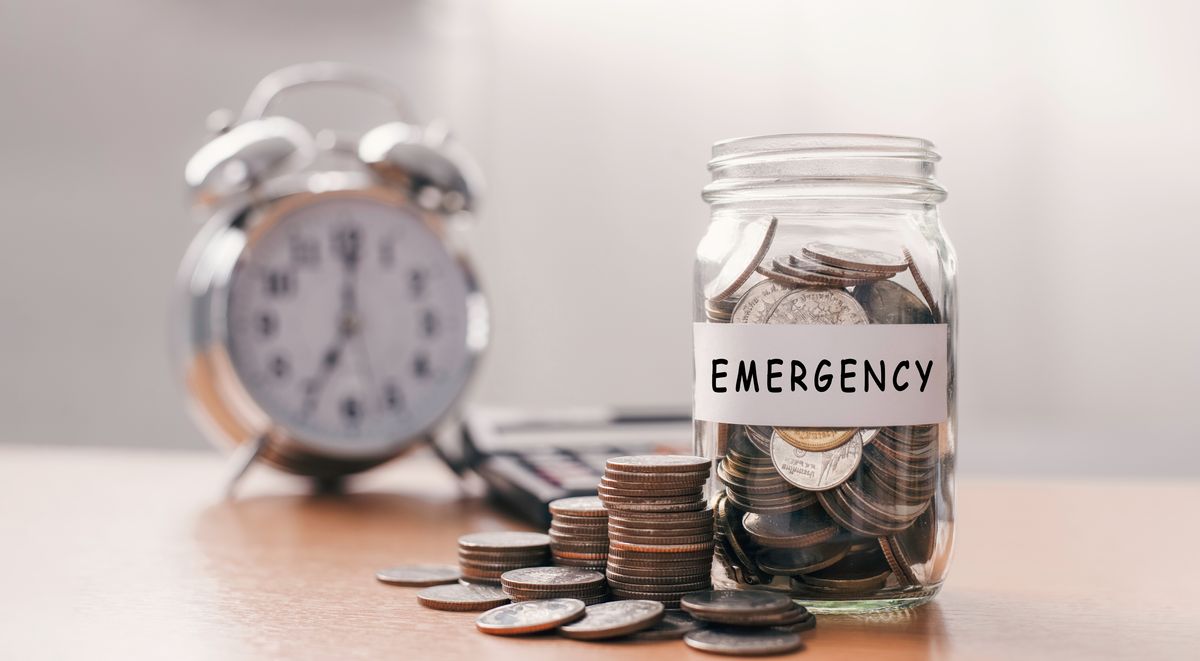
Unexpected expenses are a normal part of life, yet they often create the greatest financial stress. A medical bill, car repair, or sudden change in income can quickly disrupt even a carefully planned budget. An emergency fund provides a financial cushion that helps absorb unexpected costs. Instead of relying on credit or loans, having savings set aside supports stability, reduces anxiety, and allows financial decisions to be made with greater confidence during uncertain moments.
What an Emergency Fund Is Meant to Do
An emergency fund is money set aside specifically for unexpected and necessary expenses. Its purpose is to provide immediate access to cash when life does not go as planned. Common uses include medical costs, urgent home repairs, or temporary income disruptions . This fund is not intended for discretionary spending or planned purchases.
Keeping emergency savings separate from everyday spending reduces the temptation to use it unnecessarily. Accessibility matters, but so does clear purpose. When emergency funds are reserved for true financial disruptions, they remain available when needed most. This clarity helps protect long-term financial stability.
Determining How Much to Save
The ideal size of an emergency fund varies based on individual circumstances rather than a single universal rule. Many financial experts recommend saving enough to cover several months of essential expenses , but the exact amount depends on personal factors. Job stability, income consistency, household size, health considerations, and ongoing financial obligations all influence how much should be set aside. Evaluating these factors helps create a target that reflects real needs rather than generalized advice.
Starting with a smaller savings goal can make the process feel less overwhelming. Even a modest emergency fund can reduce stress and limit reliance on credit during unexpected situations. Gradually increasing contributions over time allows the fund to grow alongside financial confidence and stability. Personalizing the savings goal ensures it remains realistic, achievable, and sustainable as circumstances evolve.
Choosing the Right Place to Keep Emergency Savings
Emergency savings should be stored in accounts that balance accessibility, safety, and separation from everyday spending. The primary goal is to ensure money can be accessed quickly during stressful situations without unnecessary barriers. Savings accounts are commonly used because they provide easy access while keeping emergency funds distinct from regular checking balances. This separation helps reduce the temptation to spend emergency money on non-urgent needs.
Liquidity matters more than earning high returns for emergency savings. Accounts tied to market investments or those with withdrawal penalties can create challenges when funds are needed immediately. The goal is reliability rather than growth. Choosing a stable, easily accessible location helps ensure emergency savings remain available when needed and continue serving their intended purpose without added complications.
Building the Fund Gradually and Consistently
Building an emergency fund does not require large deposits or immediate results. Small, consistent contributions help establish momentum and make the process feel manageable. Even modest amounts set aside regularly can add up over time and reinforce positive financial habits. Progress comes from consistency rather than speed.
Automating contributions can simplify saving and reduce the temptation to skip deposits. Treating emergency savings as a non-negotiable expense helps maintain regular contributions, even during busy or stressful periods. Over time, steady deposits create a meaningful safety net that supports financial resilience. Consistent effort strengthens confidence and reinforces long-term stability.
Knowing When to Use an Emergency Fund
Understanding when to use an emergency fund is just as important as building it. True emergencies are typically unexpected, necessary, and time-sensitive expenses such as medical costs, urgent repairs, or temporary income loss. Clear guidelines help protect the fund from being used for non-essential or planned expenses.
After emergency savings are used, rebuilding the fund should become a priority. Restoring the balance prepares for future disruptions and maintains financial protection. Using the fund thoughtfully ensures it remains available when genuinely needed. Discipline and clarity preserve the long-term effectiveness of emergency savings.
Strengthening Financial Security Through Preparedness
An emergency fund provides more than immediate financial support during difficult moments. It creates a sense of confidence and reduces anxiety when unexpected events occur. Knowing a safety net exists allows for clearer thinking and better decision-making under pressure.
Over time, preparedness strengthens overall financial health and stability. Emergency savings reduce reliance on credit and help protect long-term goals from disruption. By building and maintaining an emergency fund, financial resilience grows steadily. Preparation transforms uncertainty into a manageable challenge rather than a crisis.