

Home improvements are often associated with resale value, but comfort matters just as much in everyday living. Small upgrades can make a noticeable difference in how a home feels, functions, and supports daily routines. Improvements focused on comfort enhance usability, reduce stress, and create a more enjoyable living environment. By prioritizing changes that improve temperature control, lighting, and usability, homeowners can experience meaningful benefits without major renovations or large expenses.
Improve Indoor Temperature Control
Comfort begins with maintaining a stable indoor temperature. Drafty windows, poorly sealed doors, and inconsistent airflow can make rooms uncomfortable throughout the year. Simple improvements such as weatherstripping, caulking gaps, or sealing air leaks help regulate temperature and reduce discomfort. These changes also support energy efficiency, making living spaces more pleasant during extreme weather.
Adjusting airflow within the home can further improve comfort. Ceiling fans, vent deflectors, and proper air circulation help distribute heated or cooled air more evenly. Consistent temperature control reduces hot and cold spots, creating a more balanced indoor environment. Small adjustments can significantly improve comfort without requiring major system upgrades.
Upgrade Lighting for Better Function and Ambiance
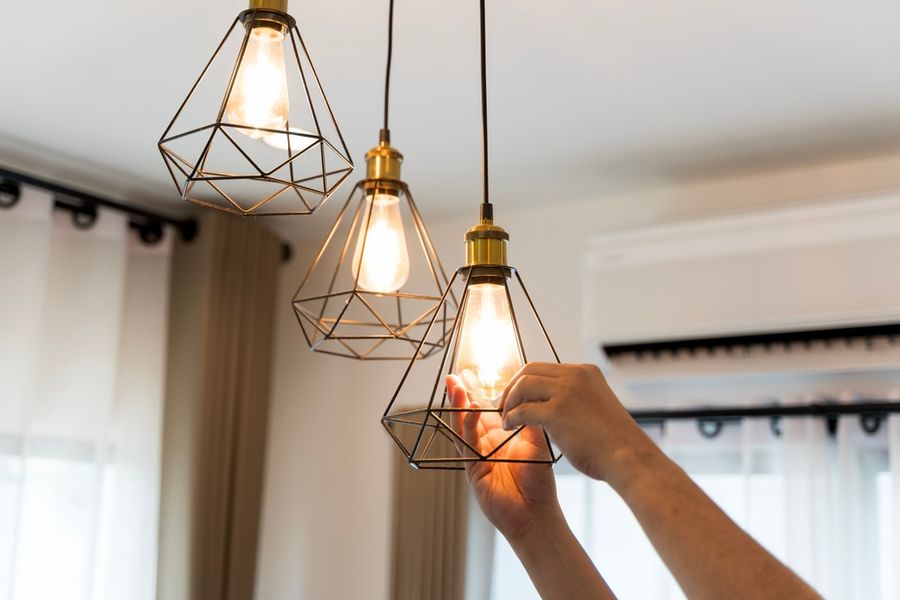
Lighting plays a major role in how comfortable a space feels. Poor lighting can cause eye strain, reduce productivity, and make rooms feel uninviting. Adding layered lighting, including ambient, task, and accent lighting , improves both function and atmosphere. Simple upgrades such as brighter bulbs or additional lamps can make a noticeable difference.
Natural light also contributes to comfort. Cleaning windows, adjusting window coverings, or using lighter curtains helps maximize daylight. Proper lighting enhances mood and supports daily activities such as reading, cooking, and working. Thoughtful lighting choices improve comfort while making spaces feel more open and welcoming.
Enhance Comfort With Simple Flooring and Surface Updates
Flooring and surface materials directly affect comfort underfoot and overall room usability. Cold, hard, or uneven surfaces can make spaces feel less inviting. Area rugs, runners, or padded mats add warmth and softness without replacing existing flooring. These additions also help reduce noise and improve insulation.
Updating frequently used surfaces can also enhance comfort. Cushioned mats in kitchens, soft coverings in bedrooms, or smooth finishes on workspaces support daily routines. Small surface upgrades improve physical comfort and reduce fatigue. These changes offer noticeable benefits without requiring extensive remodeling.
Improve Storage and Organization for Easier Living
Clutter can make even well-designed spaces feel uncomfortable. I mproving storage and organization increases functionality and reduces daily frustration . Simple additions such as shelving, hooks, or drawer organizers help keep essentials accessible and tidy. Better organization supports smoother routines and a calmer environment.
Customizing storage to match daily habits enhances comfort. Frequently used items should be easy to reach, while less-used belongings can be stored out of the way. Organized spaces feel more spacious and manageable. Small storage improvements make a home easier to live in and maintain over time.
Increase Comfort Through Sound and Noise Control
Noise levels significantly affect comfort, especially in busy households or shared living spaces. Unwanted noise can disrupt sleep, concentration, and relaxation. Small changes such as adding rugs, curtains, or upholstered furniture help absorb sound and reduce echoes. These improvements create a quieter, more peaceful atmosphere.
Sealing gaps around doors and windows also reduces noise intrusion from outside. Using door sweeps or weatherstripping can make a noticeable difference. Addressing noise issues improves overall comfort and helps create spaces that support rest and focus. Sound control upgrades often provide immediate benefits with minimal effort.
Focus on Everyday Convenience and Accessibility
Comfort is closely tied to how easily a home supports daily activities. Small improvements that increase convenience can greatly enhance quality of life. Updating hardware, installing additional outlets, or adjusting storage heights improves usability. These changes reduce physical strain and improve efficiency.
Accessibility improvements benefit people of all ages. Lever-style door handles, improved lighting in hallways, and clearer walkways make movement easier and safer. Focusing on everyday convenience creates a home that feels intuitive and supportive. Comfort-focused upgrades prioritize how spaces are actually used.
Creating a More Comfortable Home Over Time
Comfort-focused home improvements do not need to be expensive or complex to be effective. Small changes, made thoughtfully, add up to meaningful improvements in daily living. Prioritizing comfort supports both physical well-being and emotional satisfaction within the home.
Over time, these upgrades create spaces that feel more inviting and easier to maintain. Comfort improves when homes adapt to changing needs and routines. By focusing on practical enhancements rather than resale value alone, homeowners can create living environments that genuinely support everyday life.