

Keeping a home organized can feel overwhelming, especially when clutter builds up across multiple rooms. Daily routines, busy schedules, and limited storage often make organization feel out of reach. Taking a room-by-room approach helps break the process into manageable steps and creates visible progress along the way. Organization is not about perfection, but about creating functional spaces that support everyday life. With thoughtful planning and realistic expectations, organizing a home becomes a practical and sustainable process.
Start With a Clear Plan and Purpose
Effective home organization begins with understanding the purpose of each room. Every space serves a different function, and organization should support how the room is actually used. Defining priorities helps guide decisions about what belongs in the space and what does not. A clear plan prevents unnecessary rearranging and reduces frustration.
Starting with one room at a time keeps the process manageable . Focusing on a single space allows for better attention to detail and faster results. Completing one room before moving on builds momentum and motivation. A clear plan provides direction and makes organization feel less overwhelming.
Declutter Before You Organize
Decluttering is a crucial step before adding storage solutions or rearranging belongings . Removing unnecessary or unused items creates physical space and makes organization more effective from the start. Sorting items by category helps identify duplicates, items that are rarely used, and belongings that no longer serve a purpose. This process provides a clearer understanding of what truly needs to be stored and organized.
Letting go of excess clutter supports long-term organization and reduces maintenance. Keeping only items that are useful or meaningful makes spaces easier to manage and clean. Decluttering also prevents storage areas from becoming overcrowded or difficult to use. A pared-down space allows organization systems to function properly and remain manageable over time.
Use Storage Solutions That Match the Space
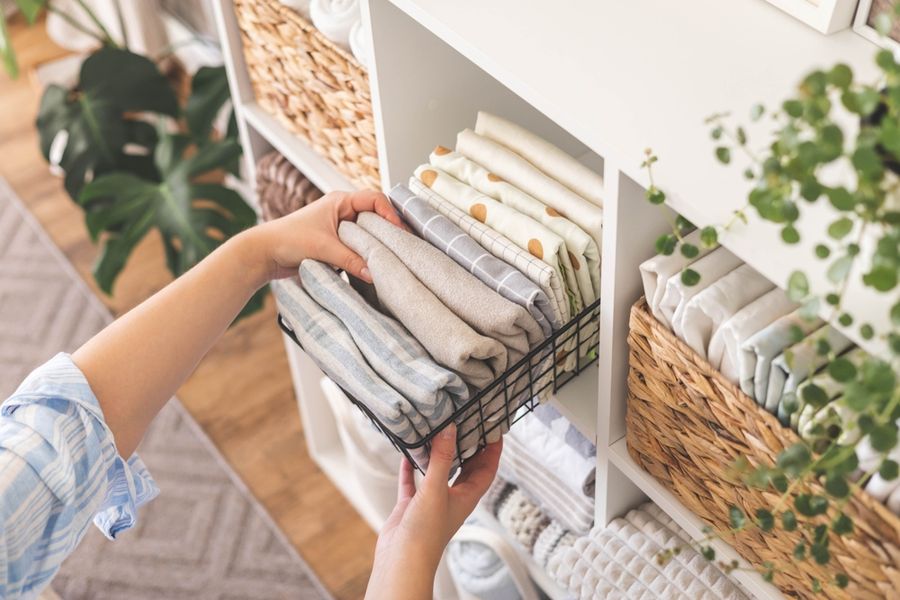
Choosing storage solutions that fit a room’s size and layout improves both function and flow. Shelves, bins, drawers, and baskets should allow easy access while keeping frequently used items visible. Storage works best when it aligns with daily habits and supports quick return after use. Solutions that match how a space is used are more likely to stay organized over time.
Overfilling storage areas can lead to frustration and disorganization. Leaving some open space allows items to be stored and retrieved without effort. Labels and clear containers help maintain order and reduce time spent searching. Thoughtful storage choices support consistency and make organized spaces easier to maintain. Simple, practical solutions tend to outperform overly complex systems.
Create Simple Organization Zones
Dividing rooms into clear zones helps establish order and purpose. Zones might include work areas, storage areas, relaxation spaces, or high-traffic drop zones, depending on the room’s function. Assigning items to specific zones creates clear boundaries and expectations for where things belong. This structure reduces clutter and supports efficient use of space.
Zones also improve daily routines by making tasks easier to complete. When every item has a designated home, tidying becomes quicker and less stressful. Clear zones provide structure without feeling rigid or restrictive. Over time, this approach supports long-term organization and simplifies daily habits throughout the home.
Maintain Organization With Small Habits
Maintaining an organized home depends more on consistent small habits than occasional deep cleaning. Putting items away after use and completing brief daily tidying sessions help prevent clutter from building up. These small actions require less effort than large cleanups and keep spaces functional.
Organization should evolve as routines and needs change. Periodically reassessing systems ensures they remain practical and realistic. Simple maintenance habits support lasting results and reduce frustration. When organization is built into everyday routines, upkeep becomes manageable and sustainable.
Creating a Home That Supports Daily Life
Organizing a home one room at a time creates spaces that feel more functional, comfortable, and supportive. Visible progress builds motivation and encourages continued effort. Each organized room helps streamline daily routines and reduces stress caused by clutter.
Over time, a room-by-room approach creates a more balanced and adaptable living environment. Thoughtful systems support consistency while allowing flexibility as needs change. Focusing on one space at a time keeps organization manageable. A well-organized home supports productivity, comfort, and peace of mind.