

Home safety plays a critical role in protecting both people and property. Many hazards develop gradually and go unnoticed until an accident or emergency occurs. While no home can be completely without risk, thoughtful safety practices significantly reduce the likelihood of injury or damage. Understanding common safety risks and addressing them proactively helps create a more secure living environment. With consistent attention and practical precautions, homeowners can strengthen safety without making daily life feel restrictive or complicated.
Install and Maintain Smoke and Carbon Monoxide Detectors
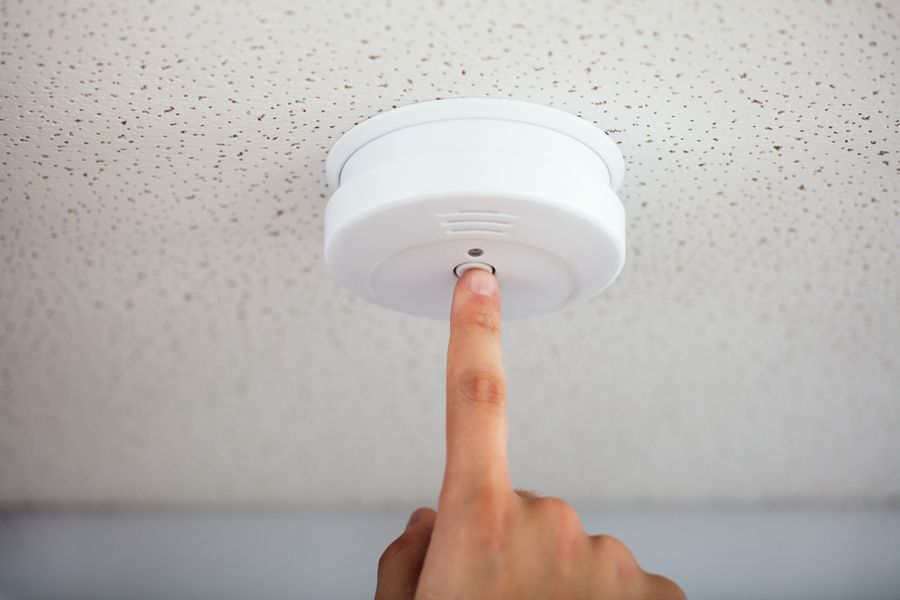
Smoke detectors and carbon monoxide alarms form the foundation of home safety. These devices provide early warnings during emergencies, allowing occupants valuable time to respond. Smoke detectors should be installed on every level of the home and near sleeping areas. Carbon monoxide detectors are especially important near fuel-burning appliances and attached garages.
Regular maintenance ensures these devices function properly. Testing alarms monthly and replacing batteries as needed helps maintain reliability . Detectors should also be replaced according to manufacturer guidelines, typically every several years. Consistent upkeep of safety alarms significantly reduces risk and supports quick response during emergencies.
Reduce Fire Risks Throughout the Home
Fire hazards often result from everyday activities and overlooked details. Cooking equipment, heating devices, and electrical systems require careful attention. Keeping flammable materials away from heat sources reduces the risk of accidental fires. Space heaters should be used cautiously and never left unattended.
Electrical safety also plays an important role. Overloaded outlets, damaged cords, and outdated wiring increase fire risk. Using appliances properly and avoiding makeshift electrical solutions helps prevent dangerous situations. Small preventative actions throughout the home significantly lower fire-related hazards and improve overall safety.
Prevent Falls and Improve Household Accessibility
Falls are one of the most common causes of home-related injuries. Slippery surfaces, poor lighting, and cluttered walkways increase risk for people of all ages. Securing rugs, keeping floors clear, and maintaining adequate lighting help reduce hazards throughout the home.
Staircases and bathrooms deserve special attention. Installing handrails, non-slip mats, and grab bars improves stability and confidence. Outdoor walkways should also be kept clear and well-lit. Addressing fall risks proactively helps create a safer environment and supports long-term mobility.
Secure Doors, Windows, and Entry Points
Strong entry point security protects both occupants and belongings. Doors and windows should close securely and use reliable locking mechanisms. Weak or damaged locks make homes more vulnerable to intrusion. Reinforcing entry points adds an extra layer of protection.
Exterior lighting also plays a role in home security . Well-lit entrances and walkways discourage unwanted access and improve visibility. Regularly checking locks, hinges, and frames ensures they remain functional. Consistent attention to entry point security supports peace of mind and household safety.
Store Hazardous Materials Safely
Many homes contain materials that pose risks if handled improperly. Cleaning products, chemicals, tools, and medications should be stored securely and out of reach of children and pets. Clear labeling and original containers help prevent accidental misuse.
Proper storage reduces the likelihood of spills, exposure, or injury. Cabinets with child-resistant locks offer additional protection. Outdoor materials such as fuels or fertilizers should also be stored safely. Thoughtful organization and secure storage practices minimize household hazards and support safer daily routines.
Prepare for Emergencies Before They Happen
Emergency preparedness is an essential part of home safety. Having a plan in place helps reduce confusion during stressful situations. Emergency plans should include evacuation routes, communication strategies, and designated meeting points.
Maintaining basic emergency supplies supports readiness. Items such as flashlights, batteries, first aid supplies, and non-perishable food provide short-term support during disruptions. Reviewing and updating emergency plans periodically ensures preparedness remains relevant. Planning ahead turns emergencies into manageable situations rather than overwhelming crises.
Building a Safer Home Through Awareness and Action
Home safety is most effective when approached as an ongoing responsibility rather than a one-time effort. Small risks can develop gradually, making regular awareness and preventative action essential. Addressing safety concerns early helps reduce the likelihood of accidents, injuries, or costly emergencies.
Over time, consistent safety practices become part of everyday home maintenance. Testing alarms, checking entry points, and maintaining clear walkways require minimal effort but provide significant protection. A home that prioritizes safety feels more secure, comfortable, and resilient. By combining awareness with practical action, homeowners create living spaces that better support long-term well-being and peace of mind for everyone inside.