

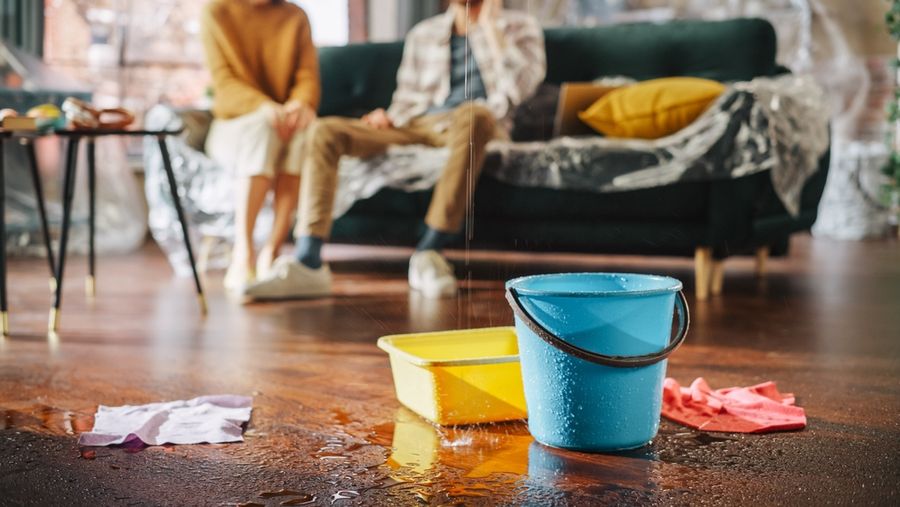
Home maintenance plays a major role in protecting comfort, safety, and long-term property condition. Many problems begin not with major failures, but with small oversights that build up over time. Busy schedules and limited knowledge can make routine upkeep easy to postpone or overlook. Understanding common home maintenance mistakes helps prevent costly repairs and unexpected disruptions. With consistent attention and simple habits, homeowners can protect their living spaces and maintain a more reliable home environment.
Ignoring Small Problems Until They Grow
One of the most common home maintenance mistakes involves overlooking minor issues that appear harmless at first. Small leaks, hairline cracks, or unfamiliar sounds may not seem urgent, but they often indicate deeper underlying problems. When small issues are ignored, damage can spread quietly, increasing repair costs and making solutions more complicated over time.
Addressing problems early helps prevent escalation and reduces long-term impact. A dripping faucet, loose tile, or minor roof damage can often be resolved quickly when identified promptly. Regular observation allows homeowners to spot changes before they worsen.
Skipping Regular Inspections
Many homeowners wait until something breaks before taking action, which can lead to unnecessary repairs and stress. Skipping regular inspections makes it difficult to catch wear, damage, or inefficiencies before they become serious issues. Key areas such as roofs, foundations, plumbing, electrical systems, and heating equipment require periodic checks to remain reliable.
Scheduling seasonal or annual inspections helps identify potential risks early. Visual checks combined with professional inspections provide a more complete understanding of home condition. Regular inspection routines reduce unexpected surprises and allow maintenance to be planned proactively.
Neglecting Seasonal Maintenance Tasks
Seasonal maintenance tasks are easy to overlook, but they play a critical role in protecting a home from gradual damage. Cleaning gutters, inspecting roofs, servicing heating and cooling systems , and sealing windows help prepare a home for changing weather conditions. Skipping these tasks can lead to water intrusion, energy loss, and system strain that worsens over time.
Creating a seasonal maintenance schedule helps ensure important tasks are completed consistently. Addressing weather-related needs improves energy efficiency and reduces the likelihood of unexpected breakdowns. Seasonal upkeep spreads responsibilities throughout the year, making maintenance more manageable. A proactive approach helps preserve comfort and prevent avoidable repairs.
Using Improper Materials or DIY Fixes
Using improper materials or attempting repairs without sufficient knowledge can create additional problems. Quick fixes may appear to solve an issue temporarily, but they often fail to address the underlying cause. Incorrect materials can worsen damage, create safety risks, or lead to repeat repairs.
Understanding personal limits is an important part of home maintenance . Some tasks are appropriate for basic DIY efforts, while others require professional expertise. Researching proper techniques and materials improves outcomes for smaller projects. Knowing when to seek professional help protects both the home and personal safety.
Forgetting About Less Visible Areas
Home maintenance often focuses on visible areas, while less noticeable spaces receive little attention. Attics, basements, crawl spaces, and areas behind appliances can develop moisture issues, pest problems, or structural concerns without obvious warning signs. Ignoring these spaces allows problems to grow unnoticed.
Including hidden areas in routine maintenance helps catch issues early. Checking insulation, ventilation, and moisture levels supports overall home health. Proper attention to these spaces prevents long-term damage and improves efficiency.
Overlooking Home Safety and Preventive Measures
Home maintenance is closely tied to safety, yet preventive measures are often overlooked. Smoke detectors, carbon monoxide alarms, and fire extinguishers require regular testing and maintenance to remain effective. Ignoring these elements can increase risk even when the home appears structurally sound. Safety-related upkeep is just as important as repairs and replacements.
Preventive measures also include securing handrails, addressing loose flooring, and maintaining proper lighting in walkways and staircases. These details help reduce accidents and injuries over time. Regularly reviewing safety features ensures they function as intended. A home that prioritizes safety through maintenance supports long-term comfort and peace of mind.
Building Smarter Maintenance Habits Over Time
Developing smarter maintenance habits helps turn upkeep into a manageable routine rather than a reactive task. Small, consistent actions prevent minor issues from becoming major repairs. Creating reminders or checklists helps ensure tasks are completed regularly without feeling overwhelming.
Over time, proactive maintenance builds confidence and control. Homes that receive steady care remain safer, more efficient, and more comfortable. By learning from common mistakes and adopting preventative habits, homeowners create living spaces that better support daily life and long-term stability.