

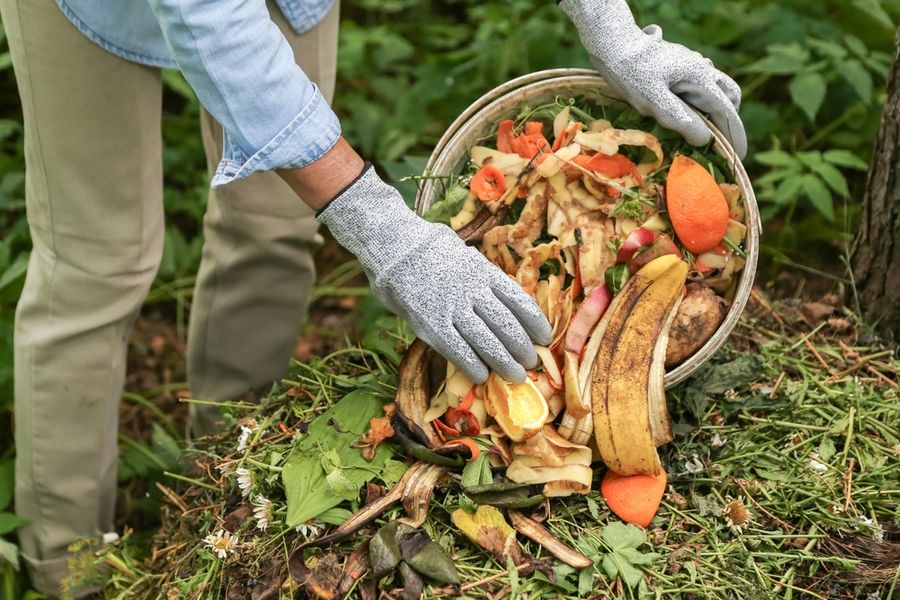
Composting offers a practical way to reduce household waste while supporting healthier soil at home. Food scraps and yard waste that often end up in landfills can be transformed into a nutrient-rich resource through natural processes. Beyond environmental benefits, composting helps improve gardens, lawns, and houseplants without relying on chemical inputs. With a basic understanding of materials and simple methods, composting can become a manageable habit that fits easily into everyday home routines.
What Composting Is and Why It Matters
Composting is the natural process of breaking down organic materials into a soil-like substance known as compost. Microorganisms, insects, and natural decomposition work together to turn food scraps and plant matter into valuable nutrients. The process mimics what happens on forest floors, where organic material continuously replenishes the soil.
Composting matters because it reduces waste sent to landfills and lowers methane emissions associated with decomposing food waste. It also returns nutrients to the soil, improving structure and fertility. Healthier soil supports plant growth, reduces the need for chemical fertilizers, and helps retain moisture. Composting benefits both the environment and home landscapes.
Understanding What Can and Cannot Be Composted
Successful composting depends on balancing the right materials. Compostable items generally fall into two categories: green materials and brown materials. Green materials include food scraps like fruit peels, vegetable trimmings, and coffee grounds. Brown materials include dry leaves, cardboard, paper, and straw, which provide carbon.
Certain items should be avoided to prevent odors, pests, or contamination. Meat, dairy products, oily foods, and pet waste can create problems and slow decomposition . Plastics, metals, and treated wood should never be added. Understanding proper inputs helps maintain a healthy compost system and speeds up the process.
Choosing a Composting Method That Fits Your Space
Composting methods vary based on available space and lifestyle. Outdoor compost piles or bins work well for yards and gardens, allowing larger volumes of material to decompose naturally. These systems require occasional turning to introduce oxygen and support even breakdown.
Indoor and small-space options include countertop compost containers or worm composting systems. These methods suit apartments or homes without outdoor space. Choosing a method that aligns with available space and daily habits makes composting easier to maintain. A practical setup supports long-term success and consistency.
How to Maintain a Healthy Compost Pile
Maintaining a healthy compost pile requires attention to moisture, airflow, and material balance. Compost should stay slightly damp, similar to a wrung-out sponge, to support microbial activity. Excess moisture can limit airflow and cause unpleasant odors, while dry conditions slow decomposition. Turning or mixing the compost periodically helps introduce oxygen and encourages even breakdown of materials.
Balancing green and brown materials plays a key role in keeping compost active . Too much green material can lead to strong smells, while an excess of brown material may slow the process. Regularly checking the pile allows adjustments to be made before problems develop. Simple maintenance habits help ensure compost remains productive and breaks down efficiently over time.
Common Composting Challenges and How to Avoid Them
Beginners often encounter challenges such as unpleasant odors, pests, or slow decomposition. Odors usually develop when compost becomes too wet or when green materials outweigh brown materials. Improving airflow and adding dry materials like leaves or cardboard can help restore balance. Regular monitoring allows small issues to be corrected before they worsen.
Pests are commonly attracted by uncovered food scraps or inappropriate materials. Burying food waste under brown materials and using enclosed compost bins helps reduce access. Slow decomposition may result from insufficient moisture, lack of oxygen, or poor material balance. Identifying the cause and making simple adjustments supports a healthier composting process and improves results over time.
Turning Organic Waste Into a Lasting Resource
Composting transforms everyday kitchen and yard waste into a nutrient-rich resource that benefits soil and plants. Finished compost improves soil structure, increases nutrient availability, and enhances moisture retention. These improvements support healthier root systems and contribute to stronger, more productive gardens and landscapes.
Beyond its impact on plant health, composting encourages more mindful waste habits at home. Reducing the amount of organic waste sent to landfills supports environmental sustainability and lowers household waste output. With consistent care and straightforward practices, composting becomes a dependable part of home and garden maintenance rather than a complicated or time-consuming task.