

A healthy lawn adds comfort, curb appeal, and outdoor enjoyment to a home. Grass health depends on more than occasional mowing and watering, yet lawn care does not need to be complicated or time-consuming. Understanding a few foundational practices can make a noticeable difference in appearance and resilience. With consistent care and realistic expectations, maintaining healthy grass becomes a manageable routine that supports long-term lawn health across changing seasons.
Understand Your Grass Type and Growing Conditions
Healthy lawn care starts with understanding the type of grass being grown and the conditions it needs. Different grass varieties thrive in different climates, sunlight levels, and soil types. Knowing whether a lawn contains cool-season or warm-season grass helps guide mowing height, watering schedules, and fertilization timing.
Growing conditions such as sunlight exposure, soil quality, and drainage also influence lawn health. Areas with shade or compacted soil may require adjustments to care routines. Paying attention to how grass responds throughout the season helps identify specific needs. Understanding these basics allows lawn care efforts to be more effective and less wasteful.
Mow Properly and Consistently
Mowing plays a critical role in maintaining healthy grass and overall lawn appearance. Cutting grass too short can place stress on the lawn and weaken root systems, making grass more vulnerable to weeds, pests, and drought conditions. Maintaining the appropriate mowing height allows grass to develop deeper roots, which improves resilience and supports stronger growth throughout the season.
Consistency matters more than how often mowing occurs. Regular mowing prevents removing too much grass at once, which can shock the lawn and slow recovery. Sharp mower blades are essential, as clean cuts heal more quickly and reduce the risk of disease . Dull blades tear grass, creating stress and uneven growth. Proper mowing habits contribute to a thicker, healthier, and more attractive lawn over time.
Water the Lawn Effectively
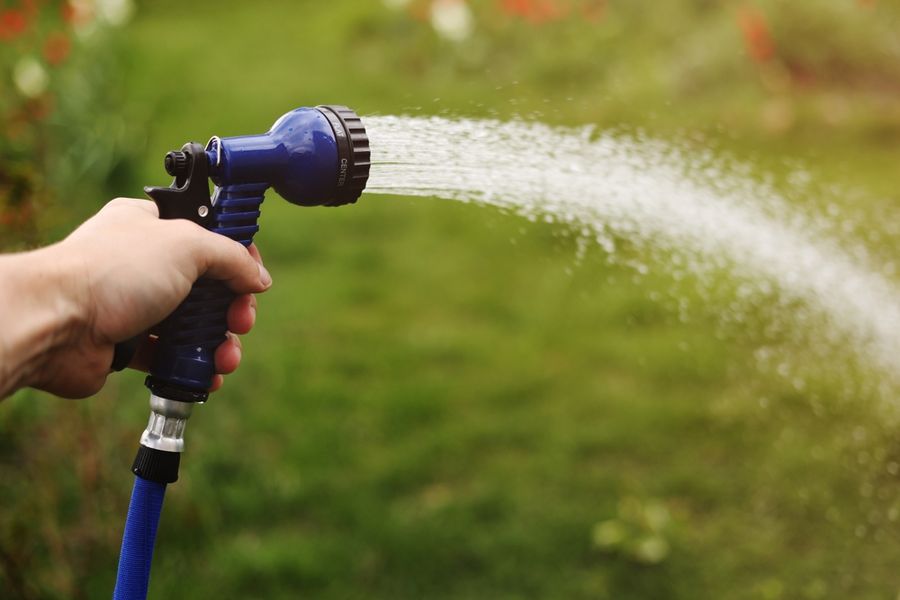
Proper watering is essential for maintaining healthy grass, yet it is often misunderstood. Watering deeply and less frequently encourages grass roots to grow deeper into the soil , which improves drought resistance and overall strength. Shallow, frequent watering keeps roots near the surface, making the lawn more vulnerable to heat and dry conditions. Early morning watering allows moisture to absorb into the soil before evaporation increases later in the day.
Watering needs vary based on climate, soil type, and grass variety. Sandy soil drains quickly and may require more frequent watering, while clay soil retains moisture longer. Observing lawn color and footprint visibility can help indicate when watering is needed. Balanced watering supports steady growth while reducing the risk of disease and runoff.
Support Growth With Soil Care and Fertilization
Healthy soil provides the foundation for strong grass growth. Soil supplies nutrients, oxygen, and structural support to grass roots. Compacted or nutrient-poor soil limits root development and weakens the lawn over time. Periodic soil testing can help identify nutrient deficiencies and guide appropriate fertilization decisions.
Fertilization supports healthy growth when applied correctly. Using the right type and amount of fertilizer at the appropriate time prevents overstimulation and environmental harm. Over-fertilizing can damage grass and increase runoff, while under-fertilizing may limit growth. Combined with good soil care, responsible fertilization helps maintain consistent color, density, and resilience.
Prevent Weeds and Lawn Stress
Weed prevention begins with maintaining strong, healthy grass. Thick turf naturally crowds out weeds by limiting available space and sunlight. Stress factors such as drought, improper mowing, compacted soil, or nutrient imbalance can weaken grass and allow weeds to establish more easily.
Addressing lawn stress early helps prevent long-term damage. Practices such as aeration improve airflow and water penetration in compacted soil. Adjusting mowing height and watering routines can also relieve stress. A proactive approach reduces reliance on chemical weed control and supports healthier grass over time.
Building a Lawn Care Routine That Lasts
A sustainable lawn care routine focuses on consistency rather than intensity. Small, regular actions help prevent larger problems and keep grass healthy throughout the year. Tailoring routines to local conditions and grass type makes maintenance more manageable and effective.
Over time, lawns respond positively to steady care and thoughtful adjustments. Seasonal changes may require modifications to watering, mowing, or fertilization practices. By focusing on foundational habits, lawn care becomes a predictable routine instead of an ongoing challenge. Healthy grass reflects patience, balance, and consistent attention.